Introduction
I recently crossed into my 30s, which apparently comes with a contractual obligation to publish a list like this. Here's mine. Twenty lessons from the decade, and none of them are theoretical. Every one was paid for.
Each tip is paired with a still from a film I felt captured something about it. I have a minor in film studies from the University of Birmingham in the UK, so thinking through ideas with cinema is just how my brain works. Some pairings are direct. Others are more of a feeling. Either way, I think the images are worth sitting with.
1. Do Favors for Your Future Self

Good Will Hunting (1997)
Treat your future self as a real person whose life you are responsible for, because you are. Every choice you make today hands that person either a gift or a bill.
Plenty of my choices in my 20s seemed fine. They weren't. Someone else had to pay for them, and that someone was me at 31. Saving more, staying in shape, keeping your space clean. It's not discipline. It's a favor to the future you.
2. If They Gossip to You, They Gossip About You

Game of Thrones (2011)
The coworker who leans in with something juicy feels like a friend. What they're actually showing you is how they operate when you leave the room.
You can't change that in them, and you don't have to. You control the access. Stay friendly, stay professional, and never hand over anything you wouldn't want repeated with your name attached.
3. Finished Beats Perfect

Chef (2014)
Perfectionism dresses itself up as high standards, but in practice it's usually fear with better branding. The flawed thing you finish does more for you than the masterpiece you never ship.
I learned more from the imperfect things I shipped than from anything I polished in private. The rough version gets a reaction. The perfect version never exists.
4. The Two-Minute Rule
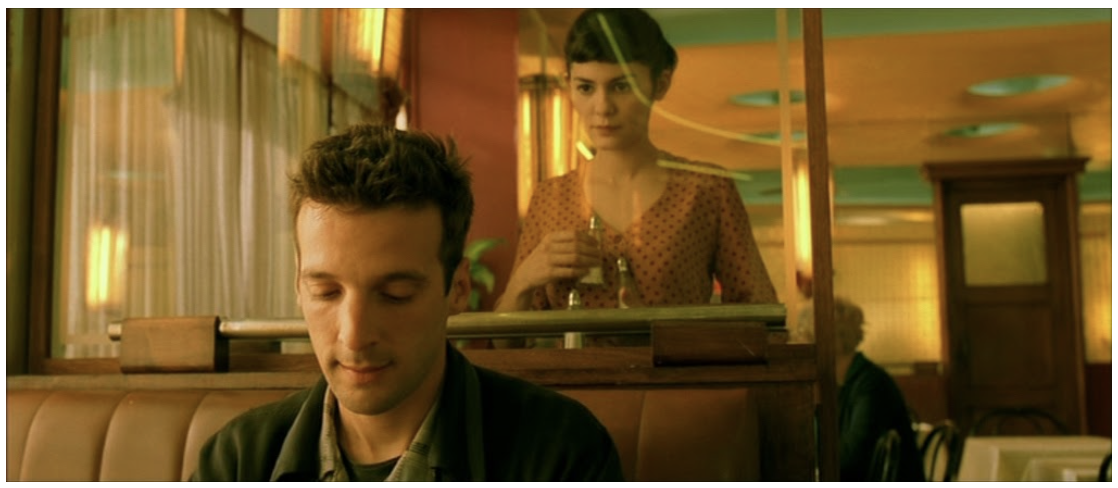
Memento (2000)
If it takes less than two minutes, do it now. Answer the email, wash the dish, sign the form. The rule sounds too simple to matter, which is exactly why most people skip it and then wonder why they feel buried.
The drag of a small undone task is wildly out of proportion to how small it is. An unanswered email, a dish in the sink, a form you keep putting off. None of it takes long. But it takes up space in your head well past its actual size.
5. Margin Is Freedom
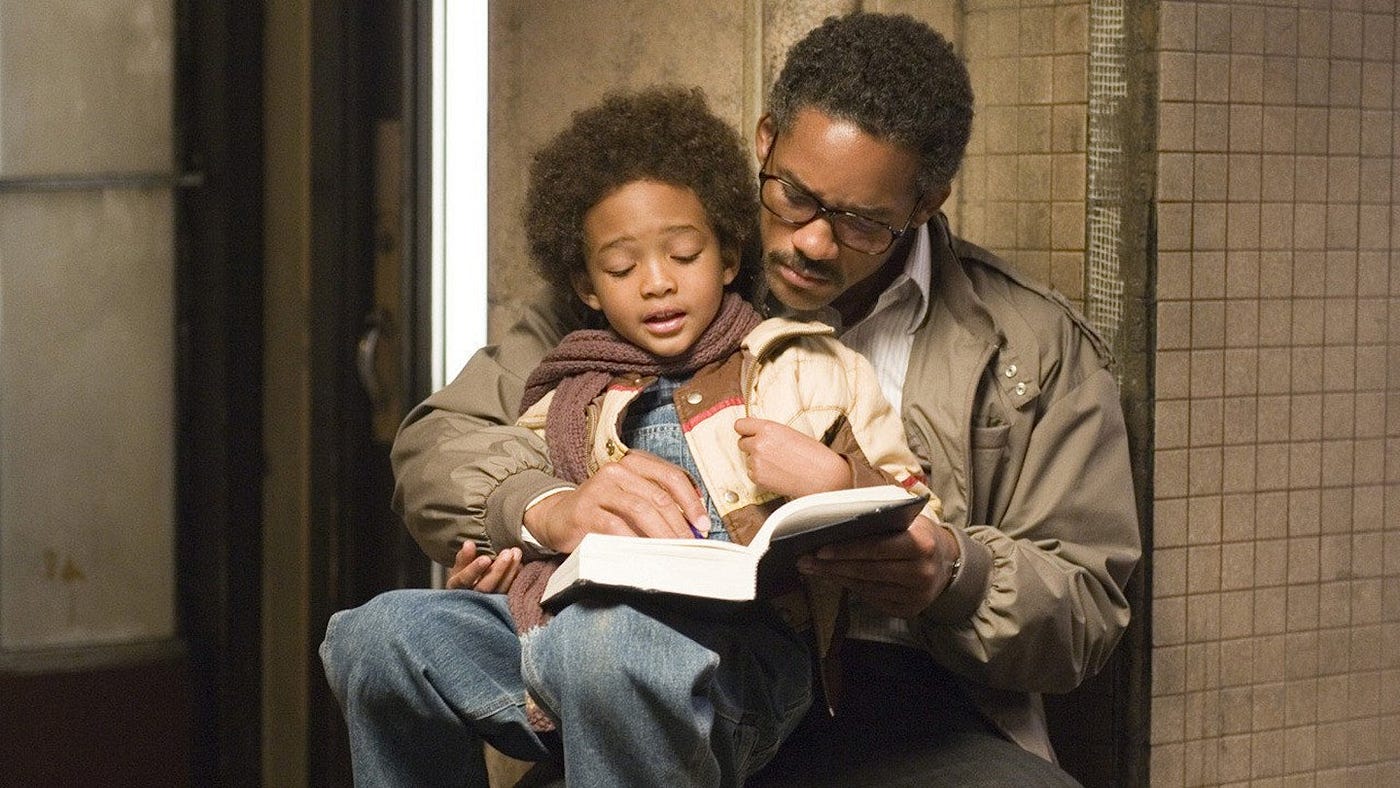
The Pursuit of Happyness (2006)
Live beneath your means, not because frugality is a virtue, but because margin is what buys you options: the ability to quit, to take a risk, to survive a surprise. Nobody negotiates well from a position of needing this exact paycheck.
The people I watched struggle in their 20s weren't making less than the people doing fine. Some were making more. They were spending all of it. Every dollar committed meant no quitting the bad job, no covering the surprise vet bill, no taking the pay cut for the better gig. Broke isn't an income level. It's a margin.
6. Warmth Is Not Weakness
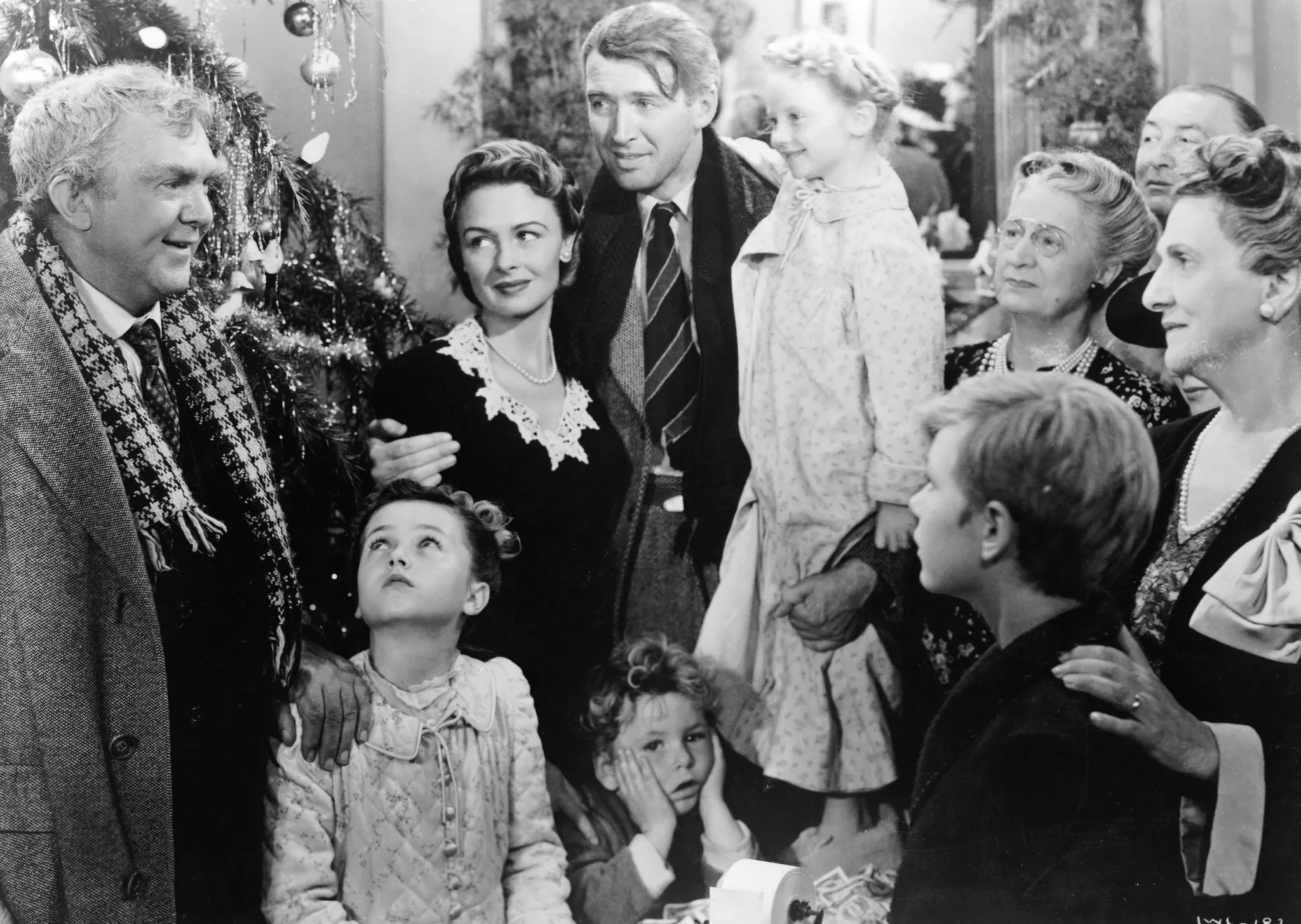
It's a Wonderful Life (1946)
Somewhere along the way, professional culture decided that being impressive matters more than being kind. It doesn't. A kind word or a genuine smile costs nothing and gets remembered for years.
This sounds soft until you've been on the receiving end of it on a day when you really needed it. A person who is genuinely warm is remembered longer than almost anyone who is merely impressive.
7. Lateness Is a Message
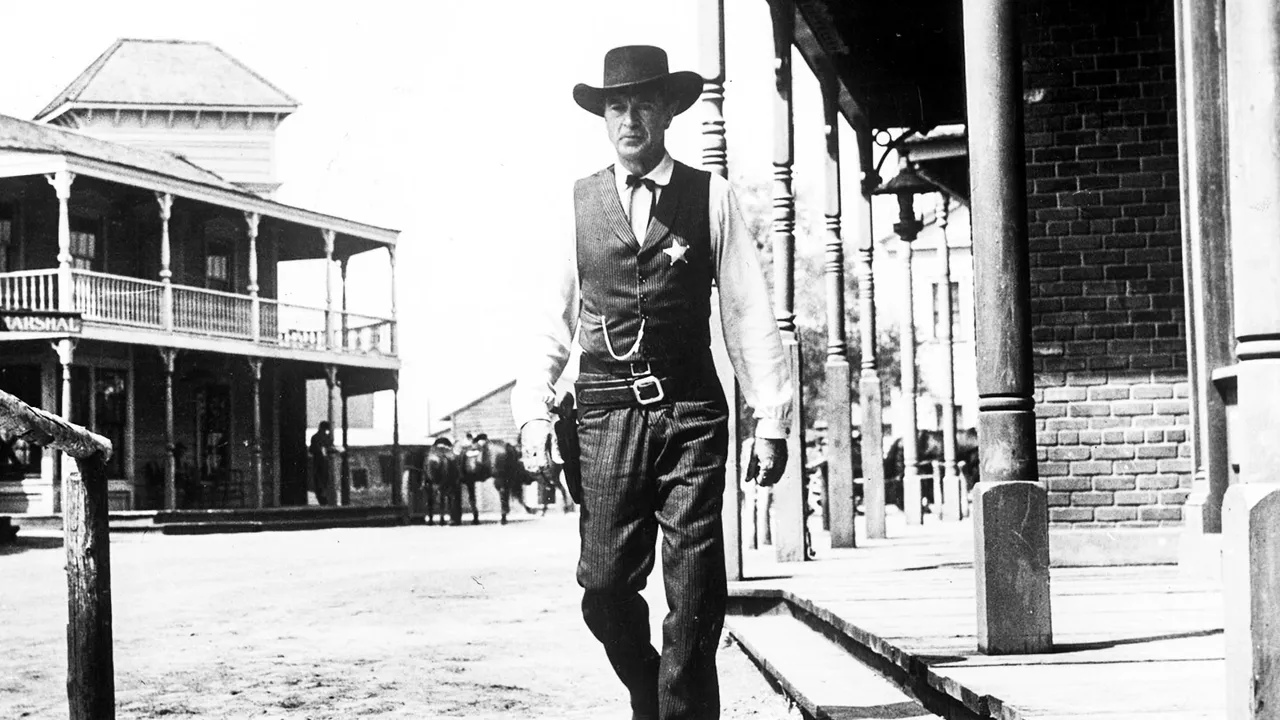
High Noon (1952)
Being on time is one of the cheapest ways to tell people they matter. It requires no talent, no budget, and no connections. It just requires deciding that other people's hours are worth as much as yours.
Habitual lateness communicates something whether you intend it or not. It tells people you didn't leave enough margin for them. Some people forgive it. Most people just quietly stop counting on you.
8. Easy to Work With Is a Skill

Julie & Julia (2009)
Politeness gets dismissed as soft, but watch who actually gets pulled into the room when opportunities come up. Skills being equal, and often when they're not, it's the person people enjoy working with.
I watched people with less experience get opportunities ahead of me because they were easier to be around. That isn't unfair. That is just real. Actual politeness, not performed, not calculated, just genuine, is a professional skill that compounds over time.
9. Your Word Is the Entire Thing
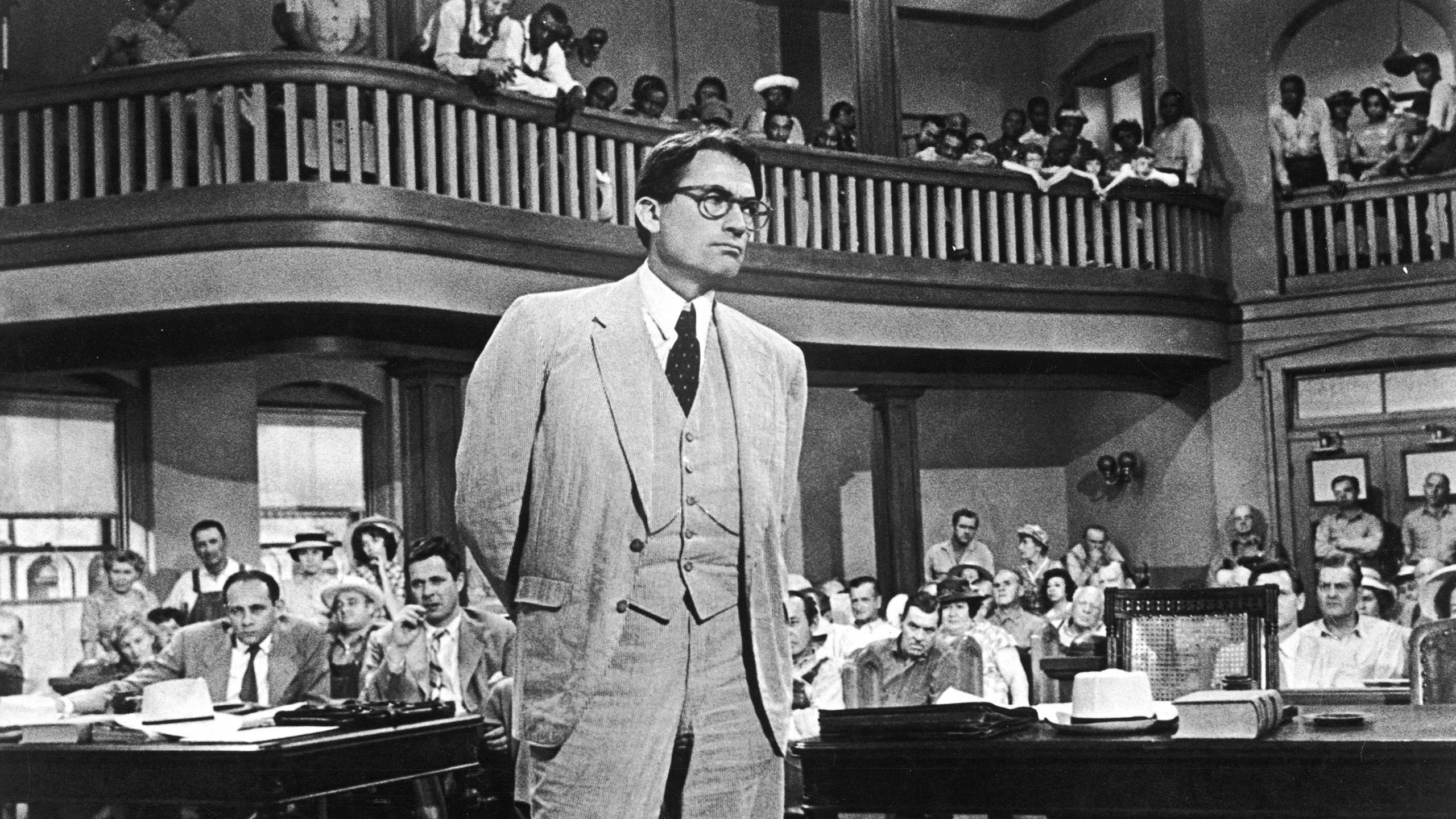
To Kill a Mockingbird (1962)
Do what you said you would do, every time, especially when it's inconvenient. That's the whole reputation system. There is no other input.
Follow through consistently over time and people will extend you credit you haven't technically earned yet. Break your word repeatedly and the damage is almost impossible to undo. There's no shortcut here.
10. Eliminate Wasted Motion
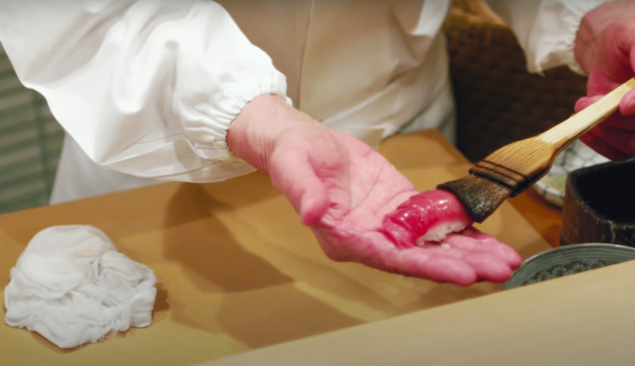
Jiro Dreams of Sushi (2011)
Efficiency isn't about moving faster. It's about removing the steps that were never doing anything: the meeting that could be a message, the process nobody remembers the reason for, the third review of a decision that was already made.
The most productive people I've been around aren't working harder than everyone else. They've stripped out the steps that don't do anything. Start by asking which parts of what you're doing actually need to happen. The answer is usually fewer than you think.
11. Listen Before You Solve

Blue Valentine (2010)
When someone brings you a problem, your first job is not to fix it. It's to prove you understand it. Most people can't hear a solution until they feel heard, and most of us skip straight past that step.
A lot of difficult interactions become straightforward when you assume the other person is dealing with something you don't know about. You're usually right. Leading with that assumption shifts the entire conversation before a word is spoken.
12. No Is a Complete Sentence
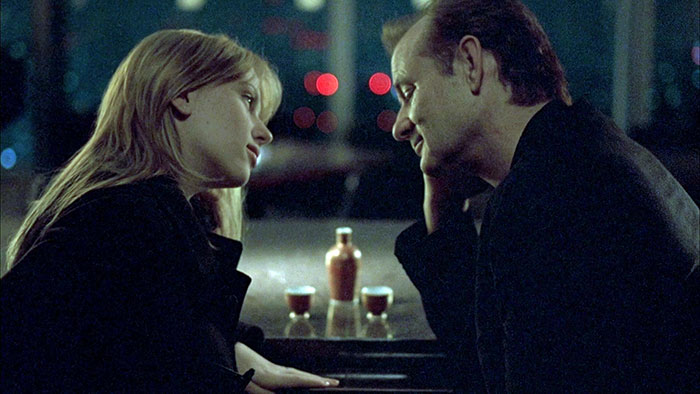
Lost in Translation (2003)
Every yes is a no to something else. You just don't get to pick what. Decline the things that don't fit what you're building, politely and without a three-paragraph apology.
Saying yes to everything is not generosity. It's a way of avoiding the discomfort of disappointing someone, and it ends with you disappointing everyone including yourself. It gets easier after the first few times.
13. Be Present When It Matters

Before Sunset (2004)
Support the people you love at the moments that matter to them. Not all of the moments, and never performatively. But when it counts, show up like it counts.
You don't have to attend everything. Not every event is meaningful and pretending otherwise is its own kind of problem. But the ones that actually matter to someone you care about, be there. Phone away, actually there.
14. Remember People's Names
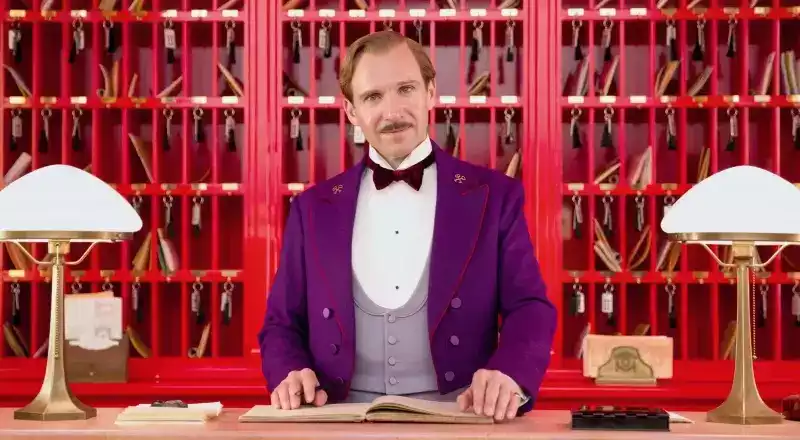
The Grand Budapest Hotel (2014)
A person's name is the smallest possible unit of respect. Getting it right, remembering it, pronouncing it correctly: it all signals that they registered as a person and not as scenery.
Say their name once right after they introduce themselves. Use it once more in the conversation. That is the whole method. It's not complicated, but the effect is real. People feel genuinely seen by it in a way that's hard to replicate through anything else.
15. You Don't Have to Fill Every Pause
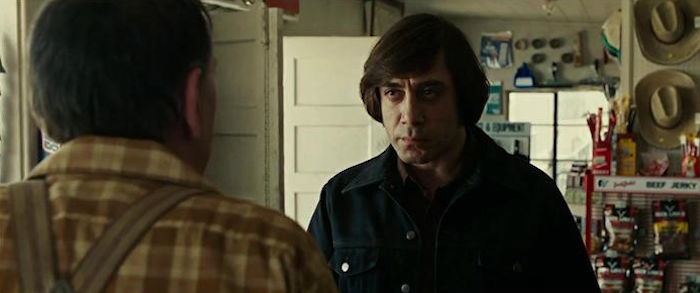
No Country for Old Men (2007)
Sometimes the best response is no response. Silence gives you room to think, and it gives the other person room to say more than they planned to.
Silence creates pressure in a conversation that most people rush to fill. In an argument, in a negotiation, in a moment where you've already said what needed to be said, sitting with it is often the stronger move.
16. Work Is an Exchange, Not a Family
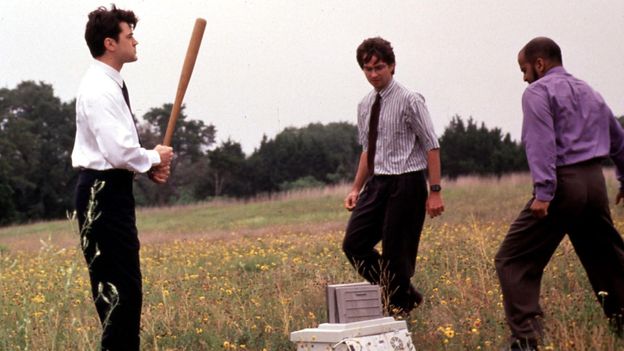
Office Space (1999)
You trade skill and time for money and growth. That's the deal, and it's a fine deal. Companies that insist they're a family are usually about to ask for something a family would never ask of you.
This is not cynical. It's clarifying. Once I accepted that the relationship with an employer is a value exchange and not much more, I stopped making emotional decisions at work and started making better ones. You can still care about the work. Just know what the relationship actually is.
17. Split Your Paycheck the Day It Lands
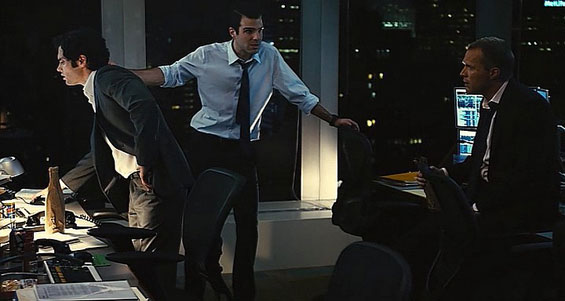
Margin Call (2011)
Two accounts. One for bills, one for everything else. The moment income arrives, split it, and never touch the bills account for anything but bills.
That's the entire system. It's not sophisticated personal finance. It's making the good decision once, on payday, instead of resisting a bad one every single day after.
18. People Follow Clarity

Band of Brothers (2001)
Most rooms aren't looking for the smartest person. They're looking for the person who can say, calmly and specifically, here's what we're doing next. Clarity is what people experience as leadership.
If you can be that person with any consistency, even imperfectly, people will follow you further than you expect. You don't need the title. The combination of competence and a calm, decided manner is rarer than it should be.
19. Trust Your Own Judgment
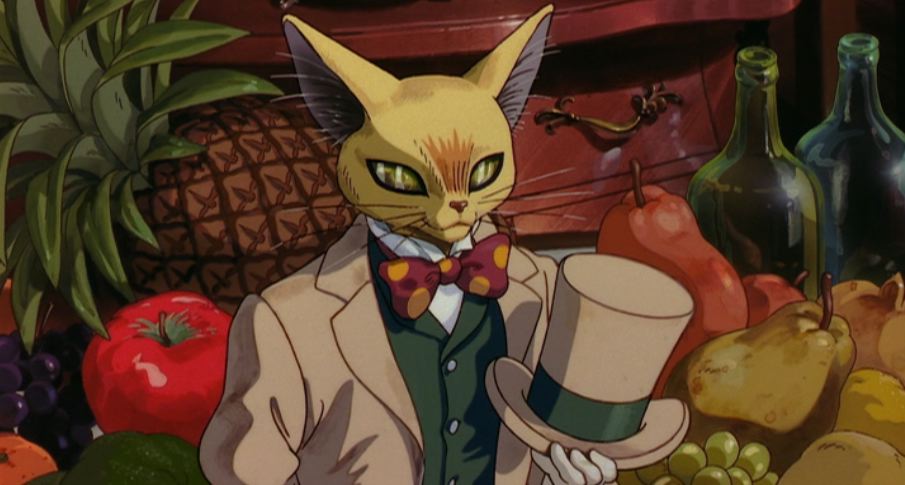
Whisper of the Heart (1995)
Confidence isn't the absence of doubt. It's the willingness to act on your own read of a situation once you've genuinely earned one.
Not in a motivational poster way. Specifically: when you have developed real judgment about something, trust it. The decisions I most regret from my 20s were almost all cases where I knew what to do and deferred to someone else's read instead.
20. You Versus Last Year
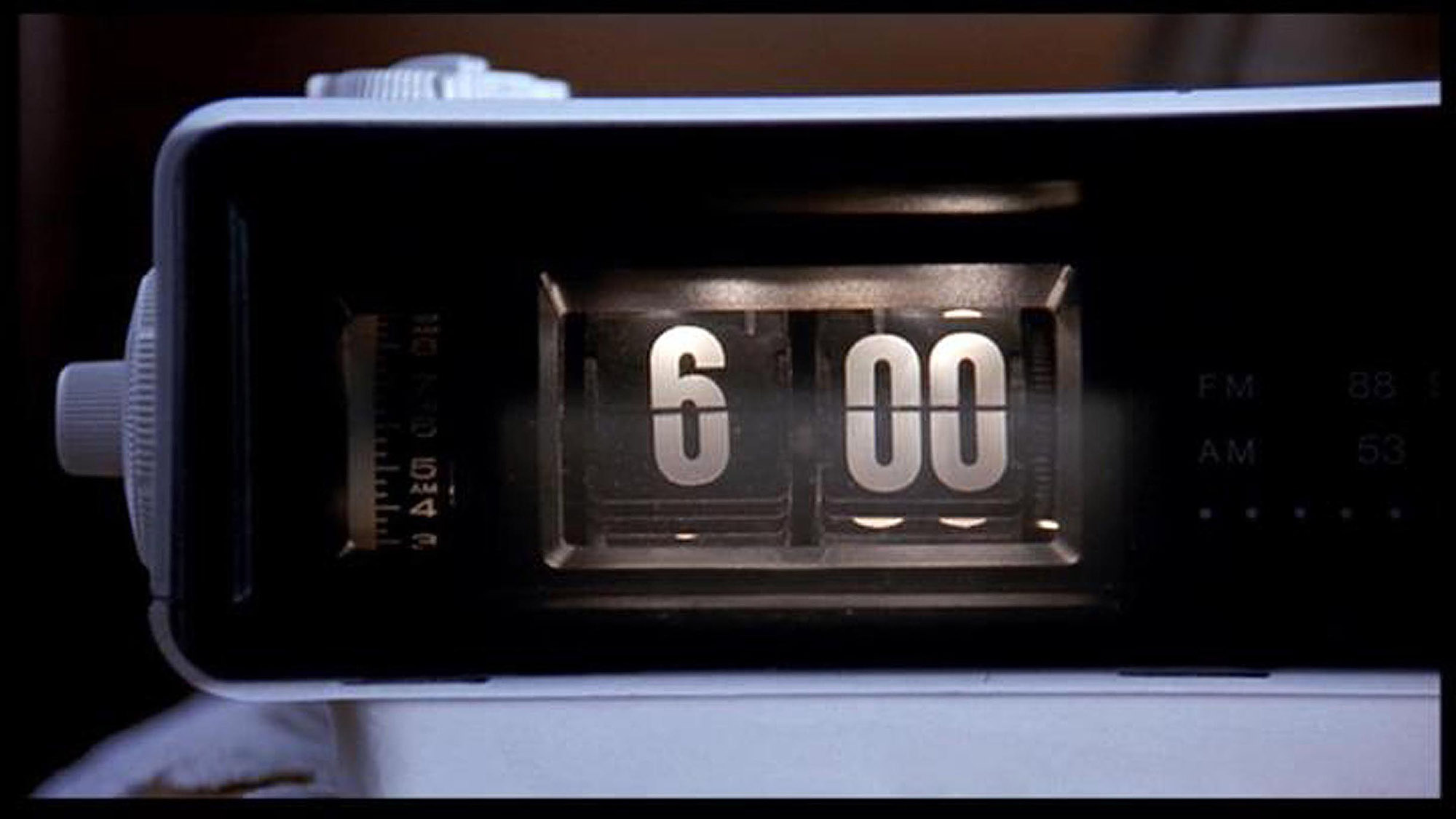
Groundhog Day (1993)
Measure your progress against your past self, because it's the only benchmark where the conditions are actually comparable. Everyone else is running a different race with different starting blocks.
Your 20s are one of the worst times to benchmark yourself against other people because everyone is operating on a completely different timeline. Some people have a ten-year head start on certain things. Some haven't started yet. The only comparison that actually tells you anything is you versus last year.
The Short Version
Looking back, the pattern across all twenty is almost embarrassingly simple: be someone people can count on, keep room to breathe, and pay attention. The rest is detail.
None of these are original observations. Most of them are things I figured out by doing the opposite first. Your version of all of this will look different, but the shape will probably rhyme.